Affair of the Poisons at the Court of the Sun King: Sources

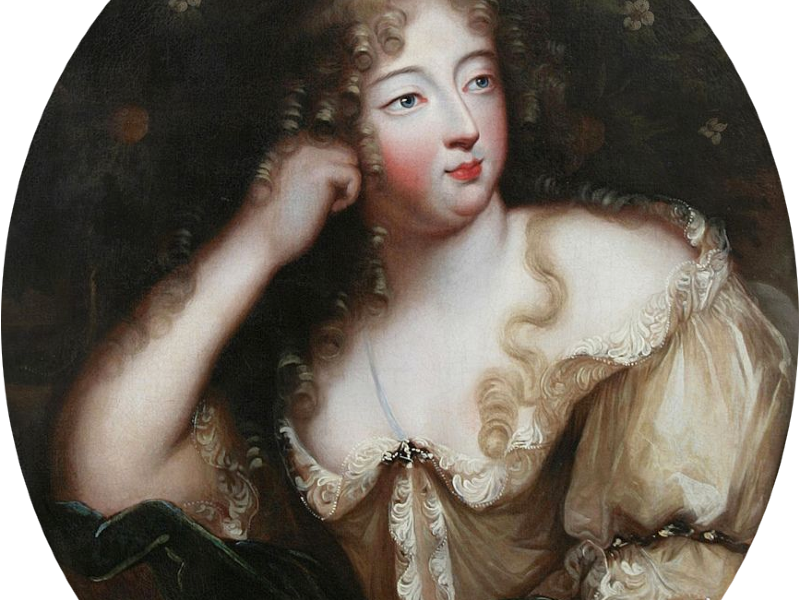
Amidst what felt like a deathly cold in late March, I was reading about arsenic poisonings to make myself feel better (as one does when you're ill). It was during this week that I came across the Affair of the Poisons the scandalized the court of King Louis XIV.
Sources:
Carroll, Erika. "Potions, Poisons and 'Inheritance Powders': How Chemical Discourses Entangled Seventeenth-Century France in the Brinvilliers Trial and the Poison Affair." Voces Novae 4, no. 1 (2012): Article 2.
Mollenauer, Lynn Wood. Strange Revelations: Magic, Poison, and Sacrilege in Louis XIV's France. University Park: Pennsylvania State University Press, 2007.
Detailed Citations:
Marie-Madeleine, Marquise de Brinvilliers, and her execution Brinvilliers was executed for poisoning her father and two brothers, a case widely treated as the prelude to the Affair of the Poisons. At her execution, witnesses reported she implied that naming everyone she knew involved with poisons would implicate more than half the King's court--a claim later rendered as direct speech in a 1970 popular history: "Half the people I know — people of quality — are involved in this same kind of thing … and I could drag them all down along with me, should I decide to talk."
Sources: Carroll, "Potions, Poisons and 'Inheritance Powders,'" 3, 10–11, citing Hugh Stokes, Madame de Brinvilliers and Her Times, 1630–1676 (New York: John Lane Company, 1912); and Frances Mossiker, The Affair of the Poisons (London: Victor Gollancz, 1970), 145.
"Their stomachs were black and falling to pieces"
This is the medical description from the autopsy of Antoine d'Aubray and Brinvilliers's brother, poisoned around 1670, recorded in the official trial memoir from her 1676 prosecution.
Source: Carroll, 6–7, citing Mémoire du procès extraordinaire contre la dame de Brinvilliers, prisonnière en la Conciergerie du Palais, 631–632.
La Voisin as a "diverness" selling everything from love charms to poison
"Diverness" was the period term for someone who told fortunes, sold charms, and dealt in poisons under one trade. La Voisin's services spanned this full range.
Sources: Carroll, 11, citing Anne Somerset, The Affair of the Poisons: Murder, Infanticide, and Satanism at the Court of Louis XIV (New York: St. Martin's Press, 2004), 3; and the 1911 Encyclopaedia Britannica entry on La Voisin.
Colbert on the sheer number of people implicated
"If all the people who had gone to have their fortunes told or to purchase good-luck charms were to be brought to trial, the century would not be long enough to see the end of the affair."
Source: Carroll, 12, citing Mossiker, 246.
147 prisoners held in the Bastille and Vincennes by 1681
Reported by the Lieutenant-General of Police as engaged in "the poison traffic and in sacrilegious and impious practices."
Source: Carroll, 12, citing Mossiker, 250.
Image Sources:
By order of appearance
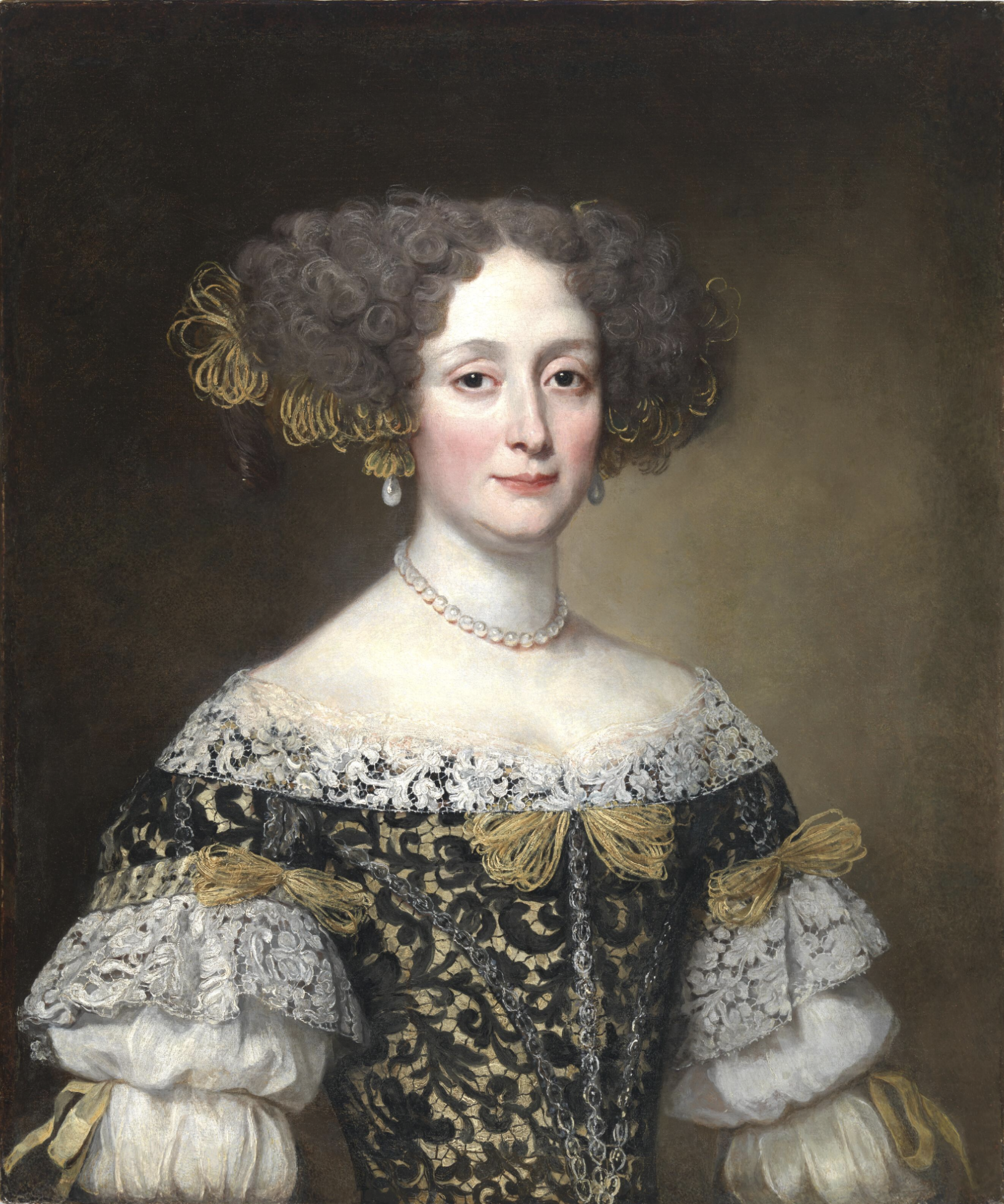
Jacob-Ferdinand Voet, Portrait of Anna Caffarelli Minuttiba, late 17th century, oil on canvas, San Francisco, de Young Museum of Fine Art
Note: This painting is often misattributed to Madame de Brinvilliers
Charles Le Brun, The King Governs by Himself (Le Roi gouverne par lui-même), 1661-64, oil on canvas, Palace of Versailles, France.
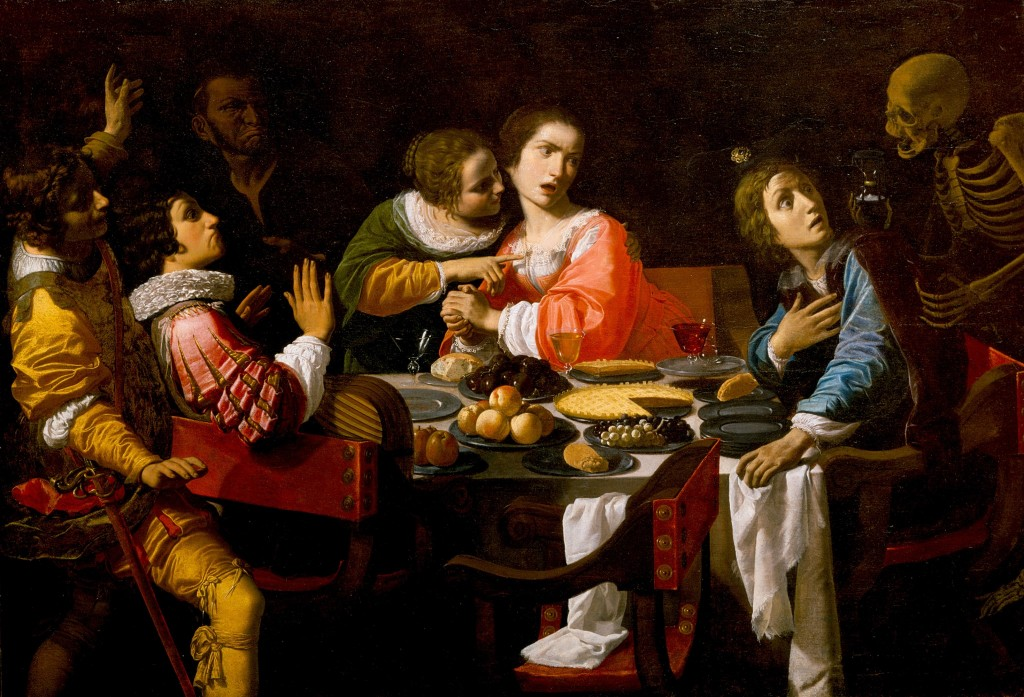
Giovanni Martinelli, Death Comes to the Banquet Table, c. 1630-1640, Oil on canvas, New Orleans Museum of Art.
Jules-Joseph-Guillaume Bourdet, The Marquise de Brinvilliers Testing Her Poisons on the Patients of the Hôtel-Dieu, 1840, engraving, engraved by Madame Albitès, Paris, Drouart Printing House.
Artist unknown, Marie Madeleine Marguerite d’Aubray, marquise de Brinvilliers, 1931. Woodcut illustration from Le Petit Journal Illustré, July 1931
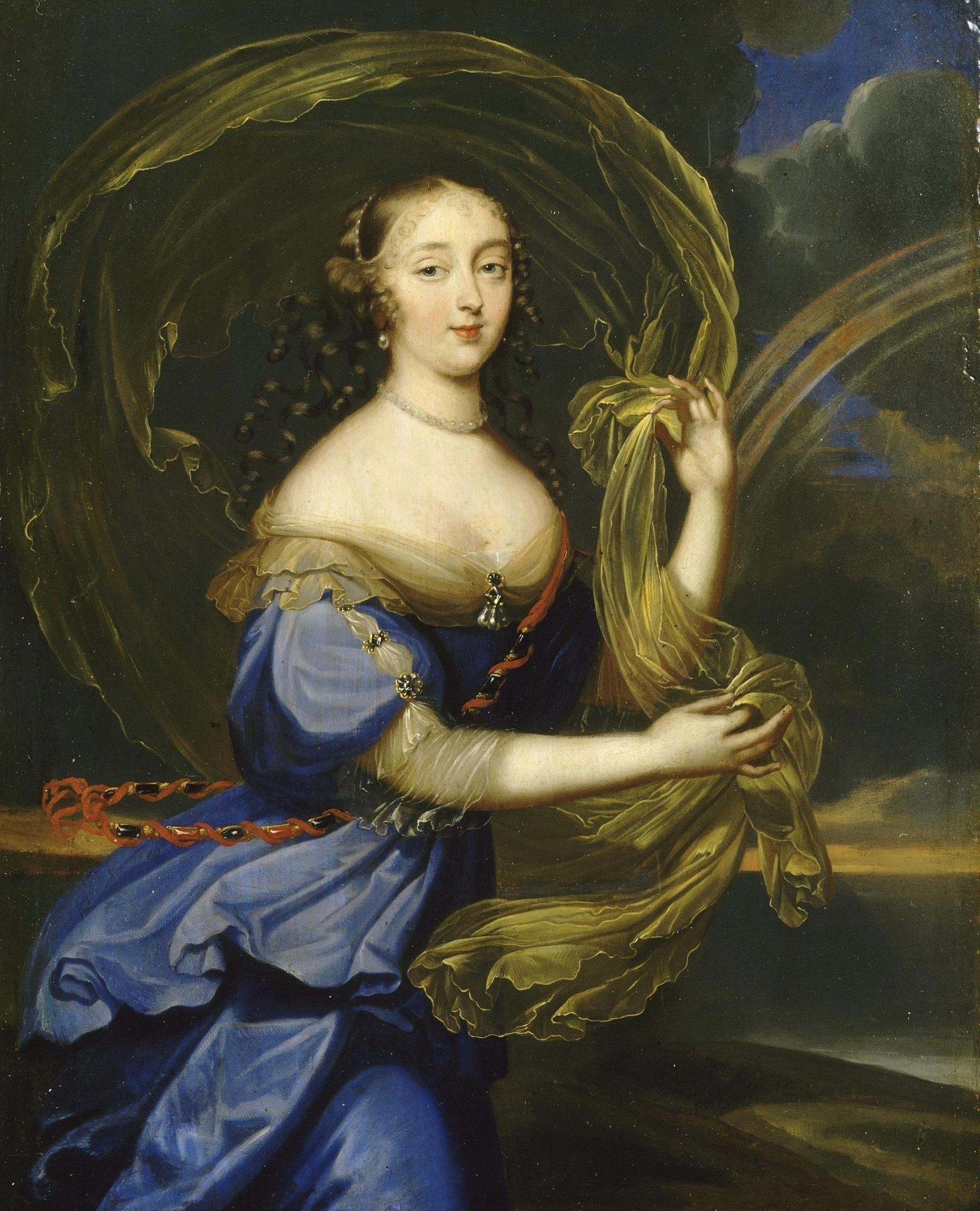
After Louis Ferdinand Elle the Younger, Portrait of an Unknown Woman as Iris, formerly identified as Madame de Montespan, ca. 1651–1700. Oil on panel, Musée de l'Histoire de France, Palace of Versailles, France.